
Athletic Performance & Recovery Protocols
For serious athletes and weekend warriors alike, performance isn't just about training hard—it's about recovering smart. The downtime between workouts is when your body actually builds strength and endurance. IV therapy has become a secret weapon for pros to maximize this window, optimize performance, and minimize downtime.
Pre-Event Loading: The "Peak Performance" Strategy
Going into a marathon, triathlon, or intense competition, your body needs to be fully topped off. Dehydration of just 2% can significantly impair physical performance. A pre-event IV can ensure you start with optimal fluid status.
Beyond fluids, we load the body with:
- B-Vitamins: To maximize energy conversion during the event.
- Amino Acids (Taurine, Carnitine): To support muscle endurance and delay fatigue.
- Magnesium: To prevent cramping and support muscle function.
Post-Event Recovery: Rapid Repair
After pushing your limits, your body is in a state of catabolism (breakdown). You have micro-tears in your muscles, depleted glycogen stores, and accumulated metabolic waste products like lactic acid. The goal is to flip the switch back to anabolism (building) as fast as possible.
IV therapy accelerates this by:
- Flushing Metabolic Waste: Immediate rehydration helps kidneys filter out toxins and lactic acid.
- Delivering Building Blocks: Infusing amino acids (like Glutamine, Arginine, and BCAAs) provides the raw materials needed for muscle repair immediately, bypassing the digestion time of protein shakes.
- Reducing Inflammation: Powerful antioxidants like Glutathione and Vitamin C combat the oxidative stress caused by intense exertion, reducing soreness and recovery time.
Consistency is Key
Integrating nutrient therapy into your training block—not just on race day—can lead to better sustained performance and a lower risk of injury. By keeping your nutrient levels high, you ensure your body has the resources it needs to adapt to the stress of training and come back stronger every time.
More from the Journal

Explore the newest 2025 evidence-based research supporting off-label ketamine for treatment-resistant depression, PTSD, and chronic pain.
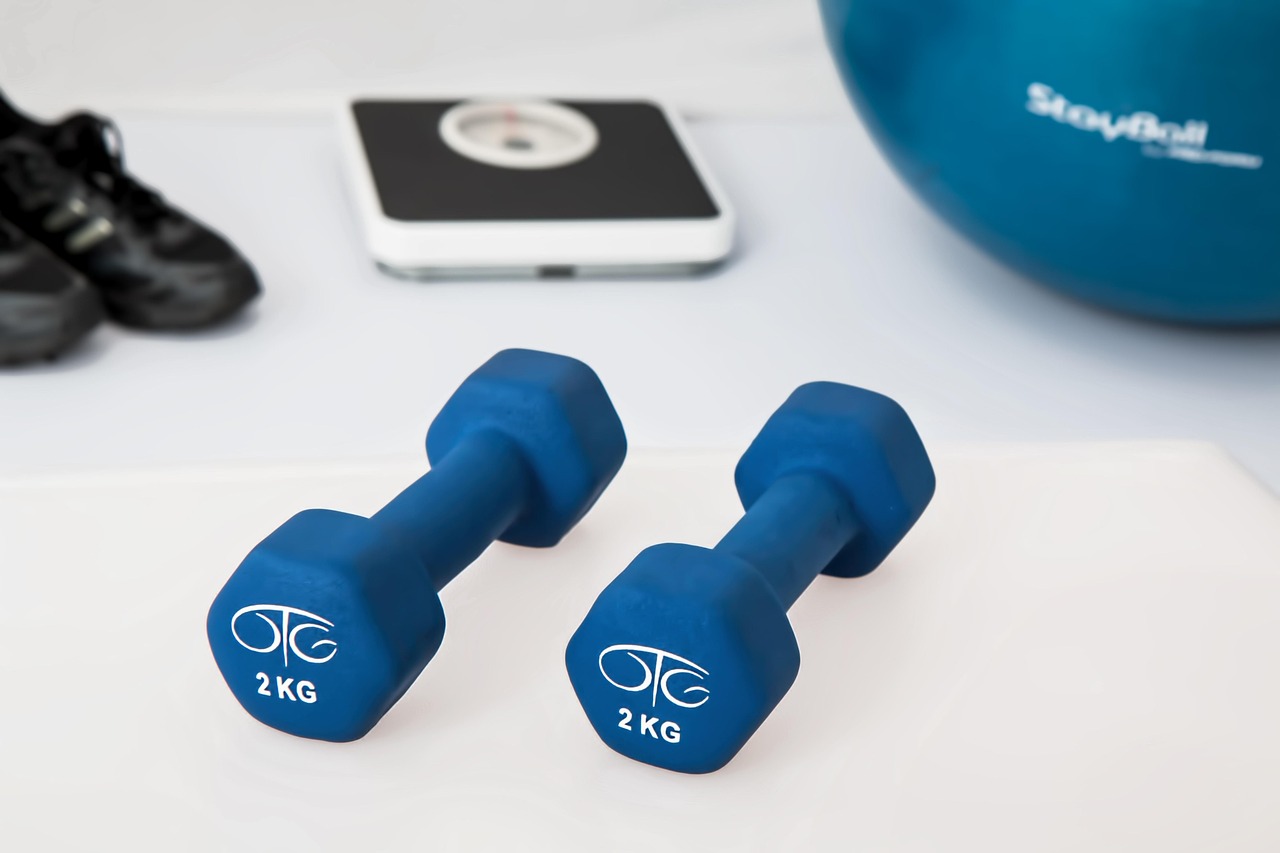
An introduction to BPC-157, a peptide known for its potential to accelerate the healing of soft tissue injuries.
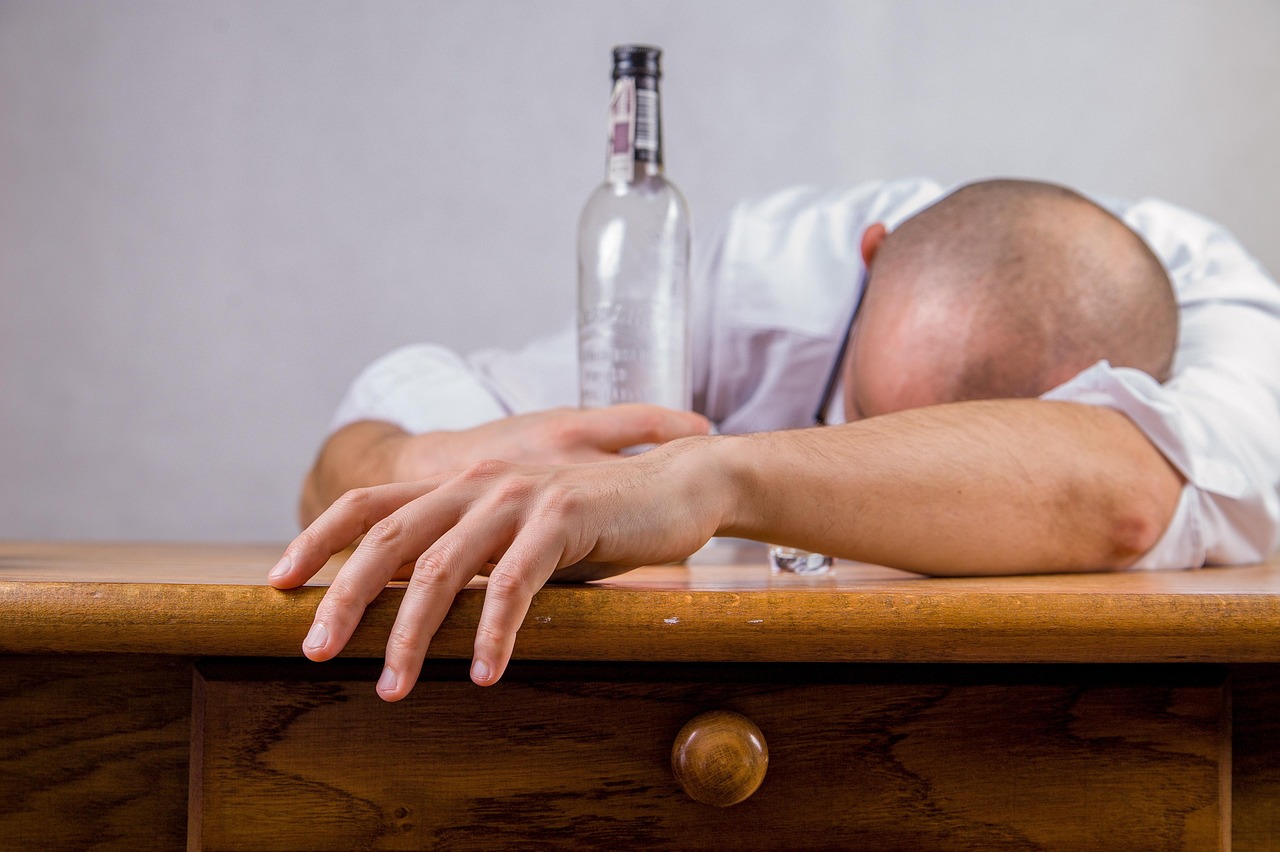
Alcohol depletes B-vitamins and antioxidants. Find out why a comprehensive IV cocktail is the fastest way to bounce back.